
Tennessee is experiencing an unprecedented surge in population growth. As families and young professionals relocate to the state's booming metropolitan areas and rapidly expanding suburbs, they are bringing their pets with them. For animal healthcare professionals, this demographic shift presents a historic opportunity. However, understanding exactly how to start a veterinary practice in Tennessee that residents can rely on requires much more than clinical expertise—it requires a flawless commercial real estate strategy.
The physical location of your clinic is the foundation of your entire business. It dictates your overhead costs, your ability to attract new patients, your operational efficiency, and your long-term capacity for growth. At Lightpoint , we specialize in guiding veterinary professionals through the complex landscape of healthcare real estate. From identifying the perfect emerging market to negotiating the intricate details of a commercial lease, our goal is to ensure your real estate decisions actively drive your profitability.
Through our comprehensive approach to what we do, we remove the guesswork from site selection, allowing you to focus on what matters most: delivering exceptional care to Tennessee's growing pet population.

Planning to Open a Veterinary Practice in Tennessee? Why Certain Decisions Matter
When veterinarians first begin researching how to open their own clinic, they often focus on securing financing, purchasing medical equipment, and hiring staff. While these steps are essential, they all hinge on one critical prerequisite: securing the right physical space.
Signing a commercial lease or purchasing a property is one of the largest financial commitments you will make in your career.
Veterinary clinics face unique real estate hurdles that simply do not apply to standard retail stores or even general medical offices. Strict municipal zoning laws regarding animal care, specialized plumbing requirements, and the need for medical-grade ventilation mean that not every vacant building can become a successful animal hospital.
Attempting to navigate Tennessee’s rapidly moving commercial real estate market without specialized representation can result in costly zoning delays, massive build-out expenses, or signing a lease in an oversaturated neighborhood. Proper planning, guided by a specialized real estate advisor, is the ultimate key to mitigating risk.
Why Real Estate Is One of the Most Important Startup Decisions
Choosing a location is not just about finding a building that looks nice; it is about placing your business in the path of your ideal clientele. The real estate decisions you make before opening your doors will directly influence your practice's trajectory for the next decade or more.
Here is why your commercial real estate strategy is your most important startup decision:
Community Demographics: The success of your practice relies on a steady patient base. We deeply analyze local Tennessee demographics, specifically targeting areas with high household incomes, strong residential growth, and high concentrations of pet-owning families. Positioning your clinic in a neighborhood that values premium pet care is vital.
Patient Accessibility: Bringing an anxious or sick pet to the clinic is stressful. Your facility must be incredibly easy to access. This means prioritizing locations with ground-floor entryways, simple ingress and egress from main traffic arteries, and proximity to major residential hubs.
Visibility: In the early days of a startup, organic visibility is your best marketing tool. Establishing your practice in a high-visibility location, such as a major commuter route or a prominent shopping center, ensures that thousands of local residents see your brand every single day.
Dedicated Parking: A lack of convenient parking will actively deter clients from visiting your clinic. Veterinary practices require ample, dedicated parking spaces close to the entrance, allowing clients to safely transport large dogs or heavy pet carriers from their vehicles.
Market Competition: Tennessee’s major markets like Nashville, Knoxville, and Chattanooga are growing fast, but some neighborhoods already have a high saturation of corporate animal hospitals. We conduct thorough competitive analyses to find underserved pockets where your new startup can immediately capture market share.
Future Growth: A truly strategic real estate decision accounts for the future. Selecting a location or negotiating a lease that allows for physical expansion ensures you will not be forced into a costly relocation just as your business hits its stride.
Finding the Right Veterinary Facility
Not all commercial buildings are created equal, especially when it comes to animal healthcare. Depending on your business model—whether you are opening a boutique feline wellness center or a massive 24/7 emergency hospital—the type of real estate you choose matters.
We help veterinarians evaluate all viable property types across the state:
Existing Veterinary Clinics: Finding a second-generation veterinary space is the most cost-effective way to launch a startup. These properties already feature the necessary floor drains, reinforced walls for diagnostic imaging, and proper zoning, which can save you hundreds of thousands of dollars in build-out costs.
Retail Centers: Leasing an end-cap space in a bustling, high-end retail plaza offers unparalleled visibility and foot traffic. These locations are excellent for outpatient wellness clinics and vaccination centers, though they often require strict lease negotiations to ensure adjacent tenants will not file noise complaints.
Stand-Alone Facilities: For full-service animal hospitals, a stand-alone building provides ultimate operational freedom. You have complete control over your parking lot, no shared walls to complicate soundproofing, and the potential to add outdoor exercise areas or dedicated emergency drop-off zones.
Build-to-Suit Opportunities: In Tennessee's rapidly expanding suburban rings, existing inventory may be scarce. Build-to-suit agreements allow you to work with a developer to construct a brand-new facility completely tailored to your exact clinical workflow, from customized surgical suites to specialized isolation wards.
Medical Campuses: Co-locating near other healthcare facilities can elevate your practice's prestige and offer a quiet, professional environment, though zoning for animal boarding in these areas requires careful navigation.

Lease Negotiation for Veterinary Practices
For most veterinary startups, leasing a property is the most viable path to opening. However, commercial leases are drafted to protect the landlord, not the tenant. Because the cost to retrofit a commercial space for veterinary use is incredibly high, failing to negotiate aggressive, tenant-friendly terms can cripple your startup's cash flow.
When representing the veterinary professionals we work with, we focus on securing the following critical lease components:
- Aggressive Build-Out Allowances: Converting a standard retail box into a clinical environment requires heavy capital. We negotiate for maximum Tenant Improvement (TI) allowances, forcing the landlord to cover a significant portion of your construction and retrofitting costs.
- Heavy Utility Requirements: Veterinary hospitals consume vast amounts of water and electricity compared to standard commercial tenants. We ensure your lease explicitly permits the necessary utility upgrades to support medical-grade washers, advanced diagnostic equipment, and specialized HVAC systems without incurring penalties.
- Specialized Infrastructure: Your lease must guarantee your right to install the necessary infrastructure for your practice, including floor trenches, lead-lined walls for radiology, and acoustic soundproofing materials.
- Expansion Rights: A successful startup will eventually need more space. We strategically negotiate rights of first refusal on adjacent vacant units, giving you the contractual right to expand your footprint before the landlord leases the space to someone else.
- Favorable Renewal Options: Because moving a veterinary practice is highly disruptive and expensive, you need the security of knowing you can stay in your location long-term. We secure multi-year renewal options with strictly capped rent increases to protect your overhead costs.
Planning for Long-Term Growth
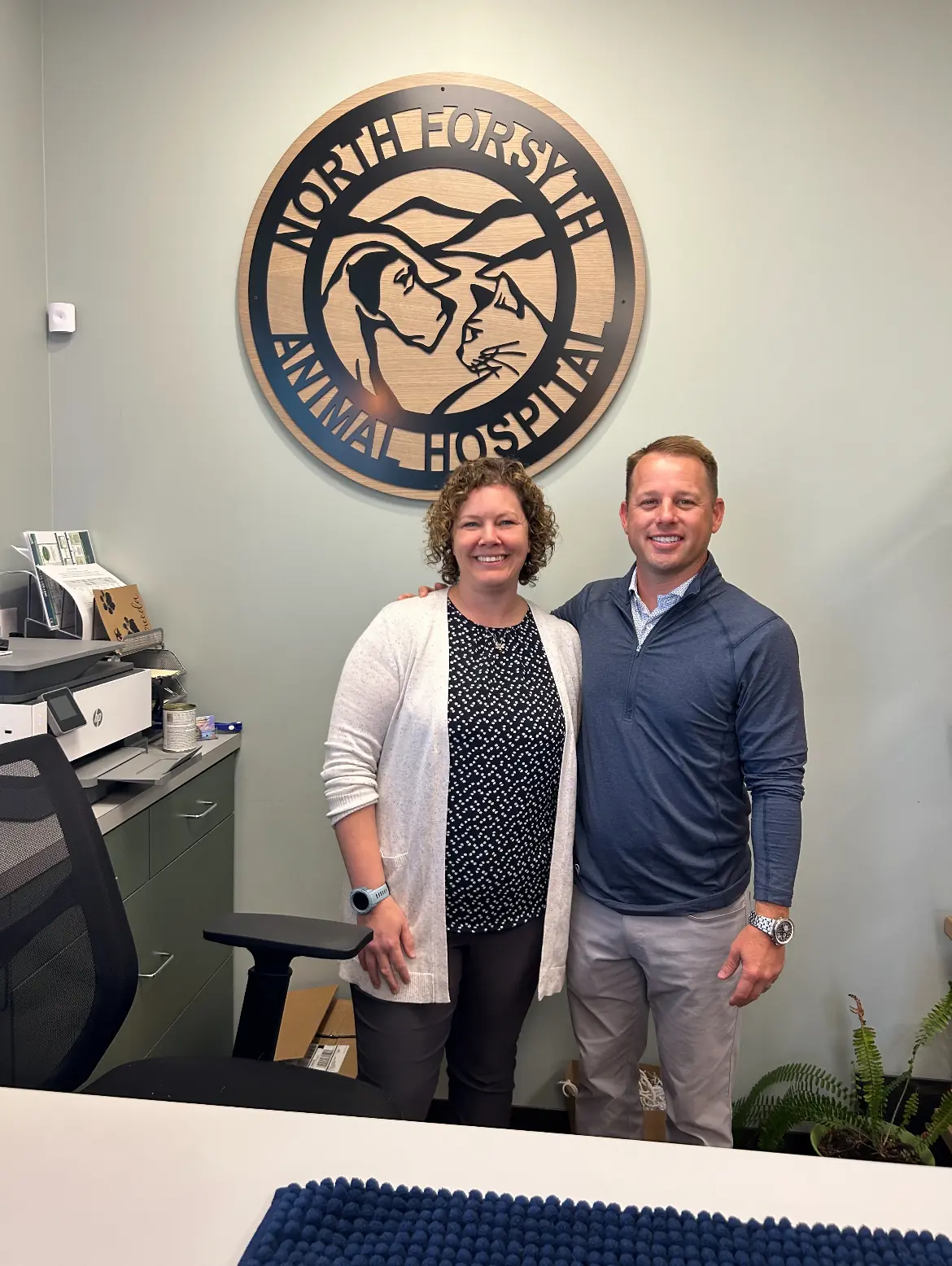
Starting your practice is only the first step. The real estate decisions you make today must support the business you intend to have five or ten years down the road. Forward-thinking facility planning prevents growing pains and maximizes your revenue potential.
We help you plan your real estate strategy around:
- Boarding Facilities: If you eventually want to offer lucrative ancillary services like overnight boarding or doggy daycare, we must ensure your initial site has the square footage and the specific municipal zoning approvals to make that possible.
- Additional Treatment Rooms: As your patient load grows, you will need to hire associate veterinarians. We prioritize properties with floor plans that can easily accommodate additional exam rooms and expanded clinical workspaces without requiring a massive structural overhaul.
- Emergency Services: Transitioning into a 24-hour emergency care model requires a facility that is zoned for overnight operations and has the physical layout to support a high-stress, rapid-response clinical environment.
- Future Expansion: We evaluate properties based on their physical capacity to grow, looking at lot sizes, parking lot expandability, and structural footprints.
- Multi-Location Growth: For ambitious veterinarians aiming to build a brand across Tennessee, we can help you map out a statewide expansion strategy, identifying emerging markets for future satellite clinics that feed into your main hospital.
Why Veterinarians Across Tennessee Choose Lightpoint
Selecting a commercial real estate broker is a defining moment in your startup journey. Veterinary professionals across Tennessee consistently choose Lightpoint because we bring a level of specialized expertise that general commercial brokers simply cannot match.
- Exclusive Healthcare Specialization: We focus entirely on the healthcare sector. We understand the clinical, operational, and financial realities of running an animal hospital.
- Deep Veterinary Market Expertise: We know exactly what makes a veterinary location successful, from identifying the best neighborhood demographics to understanding the nuances of clinical build-outs.
- Strict Tenant-Only Representation: We only represent healthcare tenants and buyers. We never represent commercial landlords. This means we have zero conflicts of interest, allowing us to negotiate aggressively and exclusively on your behalf.
- Strategic Advisory Approach: We are not just here to facilitate a transaction; we are here to be your long-term growth partner.
Frequently Asked Questions
Where should I open a veterinary clinic in Tennessee?
The ideal location depends heavily on your specific practice model. We leverage advanced demographic mapping and traffic pattern analysis to identify high-growth areas, particularly focusing on rapidly expanding suburban communities surrounding Nashville, Knoxville, Chattanooga, and Memphis where the demand for premium pet care is outpacing the current supply.
Should I lease or purchase a veterinary facility?
For most startups, leasing is the recommended route because it preserves vital working capital that you will need for medical equipment, marketing, and early operating expenses. However, if you have strong financial backing, purchasing real estate allows you to build long-term equity and eliminates landlord disputes. We will evaluate your specific financial position to determine the best path forward.
Can Lightpoint negotiate veterinary leases?
Yes, lease negotiation is one of our most vital services. A veterinary lease is incredibly complex due to the high costs of tenant improvements and specific utility needs. We meticulously review every clause, pushing back on landlord-friendly terms to secure substantial build-out allowances, lock in favorable renewal rates, and guarantee your right to install specialized medical infrastructure.
What should I consider before choosing a location?
Before committing to any location, you must verify the local zoning laws regarding animal care and boarding, assess the visibility and accessibility of the building, confirm there is sufficient dedicated parking, and evaluate the building's capacity to handle your heavy utility and HVAC requirements.
Which Tennessee communities do you serve?
Lightpoint represents veterinary professionals throughout the entire state of Tennessee. From the bustling urban centers of Middle Tennessee to the growing communities in East and West Tennessee, our real estate advisors provide expert guidance wherever you plan to launch your practice.
Start Your Tennessee Veterinary Practice with Confidence
Opening a veterinary clinic is a monumental achievement, but you do not have to navigate the complex world of commercial real estate alone. Ensure your startup is positioned for maximum profitability, patient volume, and long-term success by partnering with Tennessee’s leading veterinary real estate experts.
Contact Us today to schedule your free consultation. Let Lightpoint handle your site selection and lease negotiations so you can focus entirely on bringing your new veterinary practice to life.
